Our LEGEND…
Irvin
Paik
From Challenges to Triumph
By Aiden Ahn (16)
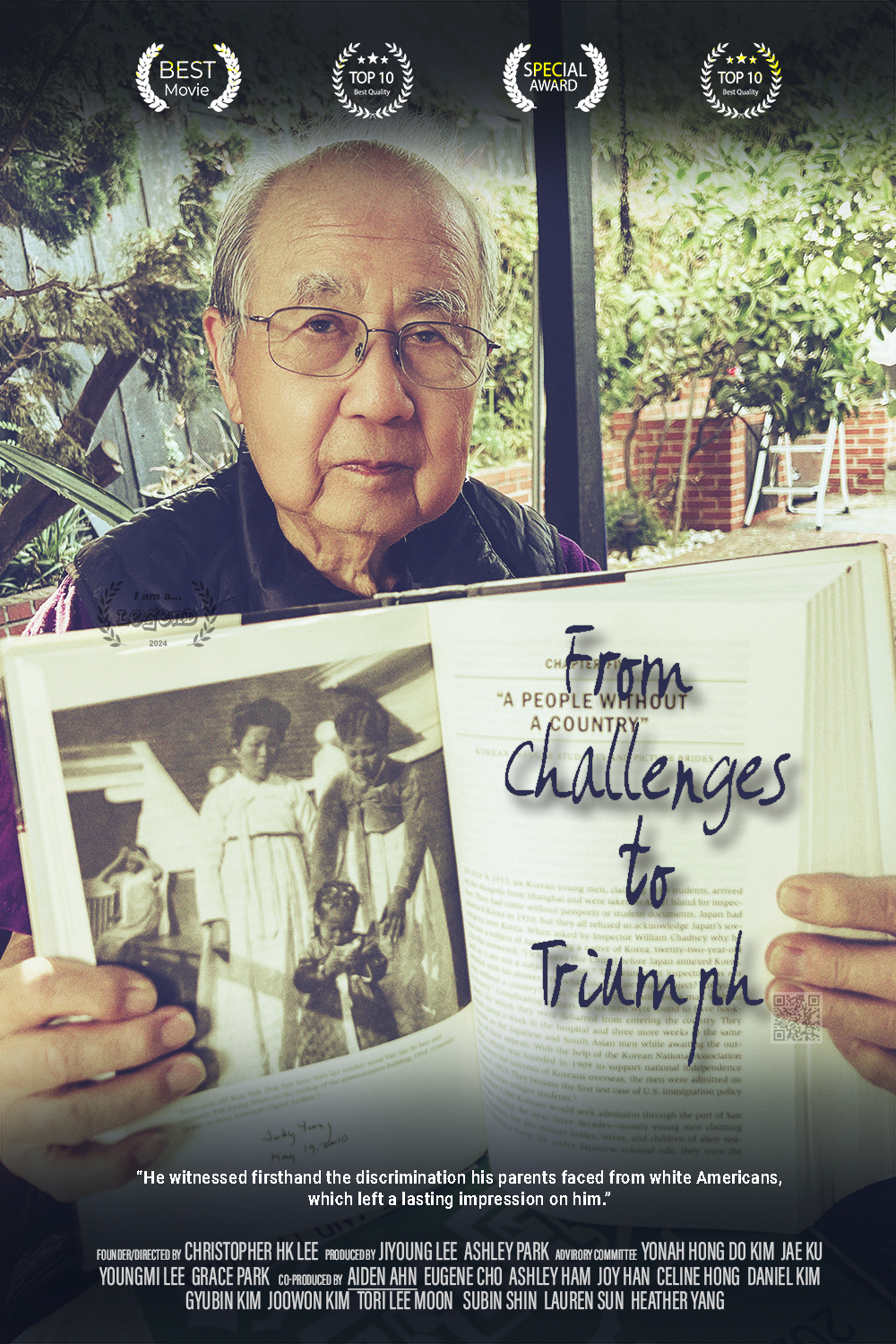
As I enter my fifth year in America, adapting to a new language and culture, my family and I navigate the challenges of blending our Korean roots with American life. Attending school here has often felt overwhelming, leaving me uncertain about my identity and future. While I’ve discovered a passion for filmmaking and engaged in school activities, I sometimes struggle to balance my personal interests with societal expectations.
Being Korean American means embracing a rich cultural heritage while finding my place in a diverse society. To foster a sense of belonging, I plan to connect with other Korean Americans, participate in community events, and pursue my filmmaking passion. I recognize the importance of being open-minded and seeking mentorship from those who understand my journey.
As I transition into high school, I find myself less determined to carve out a space for myself. The challenges I face make honoring my identity while striving for my dreams feel like a fantasy. While the path may be uncertain, I desperately need something that will spark my curiosity.
Everything changed with the meeting of Irvin Paik. Irvin was born in 1940 in Bakersfield, California, to a second-generation immigrant family; he was steeped in the legacy of resilience and cultural heritage that extends to this day. His grandfather had come to the U.S. in 1905, part of the first wave of sugar plantation workers who had gone to Hawaii.
The immigrant flows of Koreans into the United States started in 1903, when thousands of Koreans, fleeing from famines and political persecutions, rived to work in plantations of pineapple and sugar. Up to 1905, more than 7,000 had settled in Hawaii, and many later created businesses on the US mainland. This wave was ended by the Oriental Exclusion Act of 1924.
Between 1950 and 1964, following Korea’s liberation from Japanese occupation and its division, approximately 15,000 Koreans immigrated to the U.S. during the Korean War. The McCarran-Walter Act of 1952 allowed Asians to gain citizenship, facilitating this migration. This period included Korean war brides, war orphans, and professionals who successfully integrated into American society.
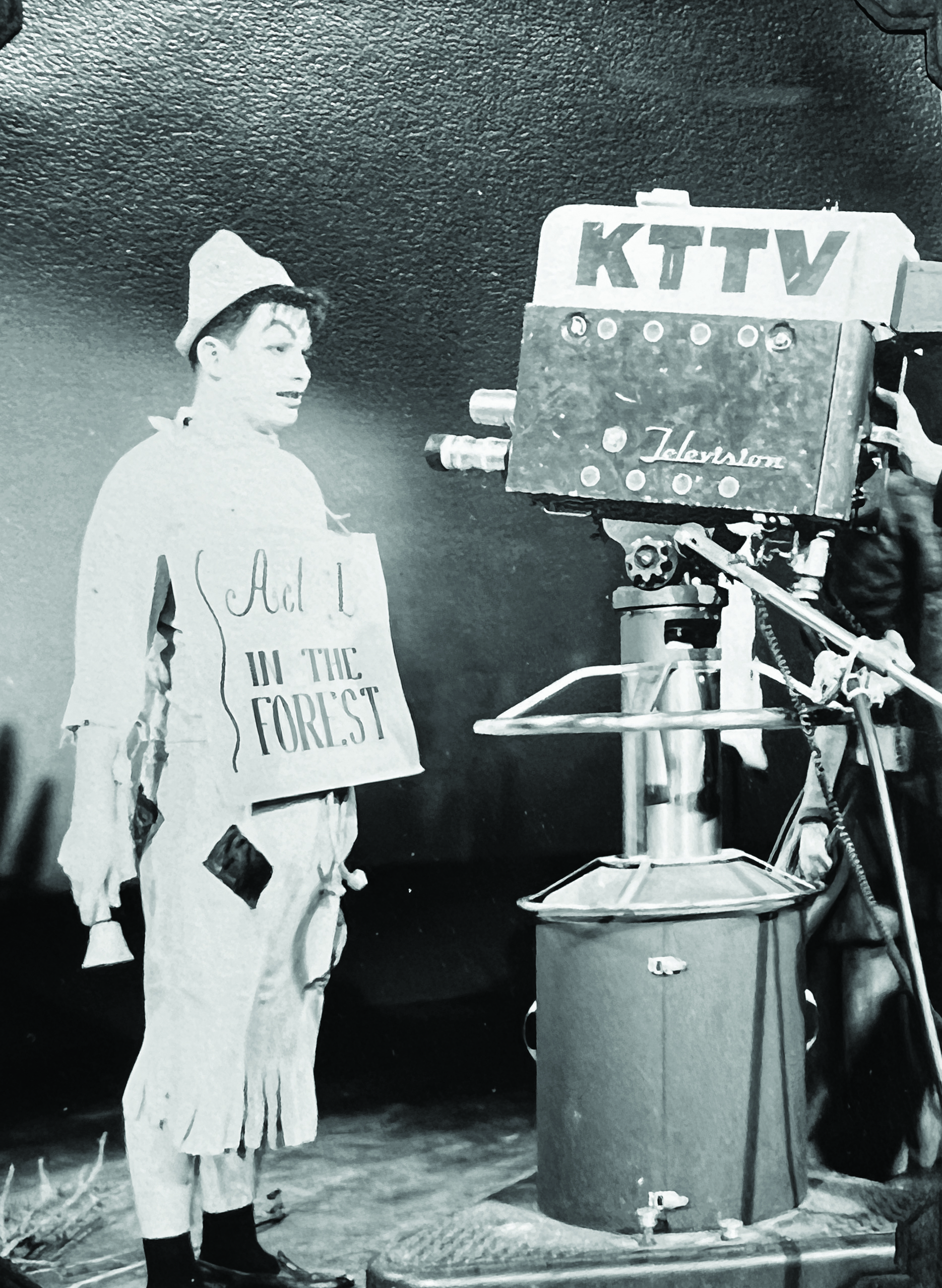
Irvin is the legend and my hero because he was among the first Korean American actors and film editors, a groundbreaking achievement that helped introduce Korean representation in the industry. In middle school, I took a musical theater class that I loved, and I worked hard to earn the main role. Like me, Irvin was also involved in a drama club during high school. After middle school, I applied to an arts high school, following in Irvin’s footsteps, focusing on musical theater and film and television. Initially, I wasn’t very interested in film, but after the 2022 World Cup, I became captivated by making soccer edits, which inspired me to apply for both programs.
I was accepted into both, but my passion for creating edits led me to choose the film path. For a research project, I needed to focus on someone who inspired me, and Irvin Paik truly stood out. I admire him not only for being a pioneering Korean American actor and film editor but also for his significant impact on representation in the industry.
There weren’t many Korean American actors and film editors, which might have made research easier if he had been the only one. However, while he was notable, he didn’t achieve the same level of fame as other film editors and actors of that era. He participated in many films and shows, but most didn’t reach the same level of success as others.
Irvin Paik reflects on his childhood with a sense of unease, particularly regarding his interactions with his Japanese neighbors. Growing up, he witnessed firsthand the discrimination his parents faced from white Americans, which left a lasting impression on him. These experiences shaped his understanding of identity and resilience in the face of adversity.
The successes of Koreans in today’s entertainment, comes Irvin Paik, evangelistically encouraging the youth toward their dreams.
It was in junior high school that the deep love of theater would present itself to Irvin as a huge centerpiece in his life. He immediately dove in, producing, writing, and acting in a variety of plays throughout his high school and college years; thus, fine-tuned were the skills of Irvin, while he grew further in the love of the craft.
In addition to theater, Irvin pursued photography, initially envisioning a career in this field. However, he encountered significant discrimination from potential employers, which was discouraging yet did not deter his creative spirit.
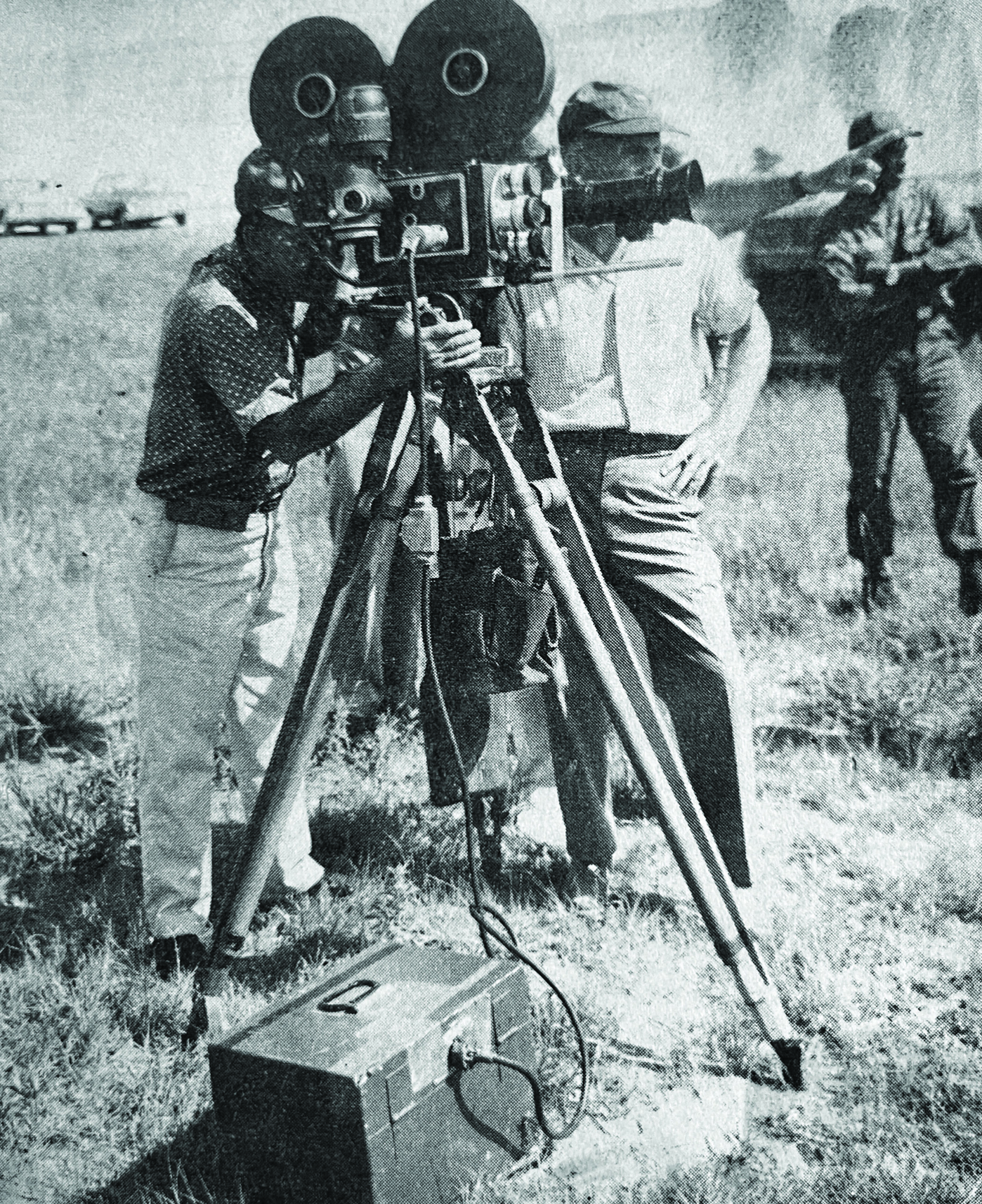
Irvin’s journey took a new turn when he joined the army, where he had the opportunity to combine his interests with service. He filmed training videos and served as a combat photographer in Vietnam, capturing crucial moments during a tumultuous time. His role as a script supervisor at a pictorial center in Long Island City further expanded his understanding of storytelling and visual media. He spent 14 years working on a television show and hence had gathered enough experience in the field.
Leaving the army, the next move Irvin made was filming nature documentaries, another means of articulating his creativity and interest in storytelling about the natural world. His career found its turning point when a Justice Department mandate to encourage the hiring of minorities opened the door to pursue film editing and allowed him to bring his unique perspective into the film industry.
Now, with the successes of Koreans in today’s entertainment, comes Irvin Paik, evangelistically encouraging the youth toward their dreams. He emphasizes the importance of perseverance, creativity, and embracing one’s cultural identity, hoping to inspire a next wave of people into carving their own paths in the world of film and beyond.
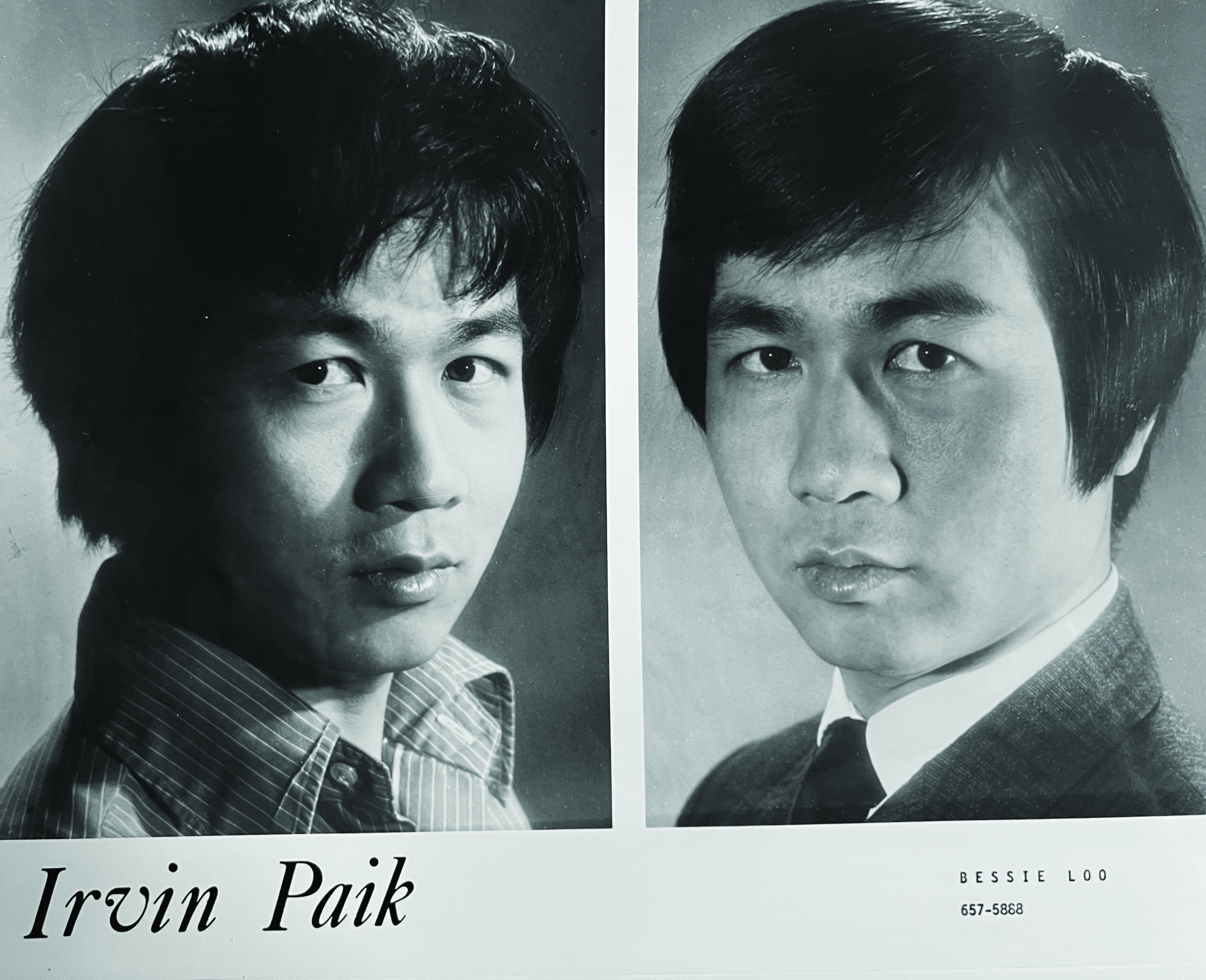
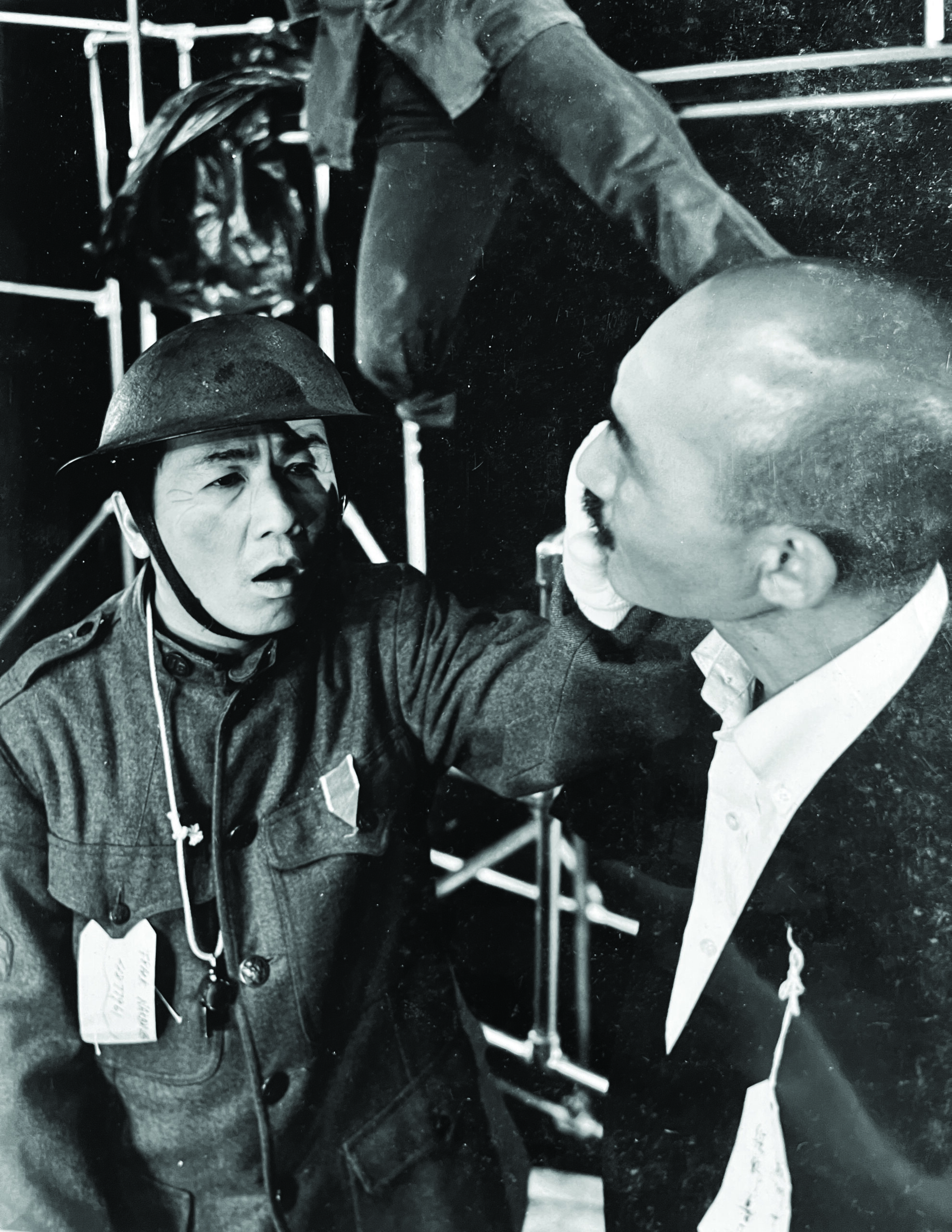
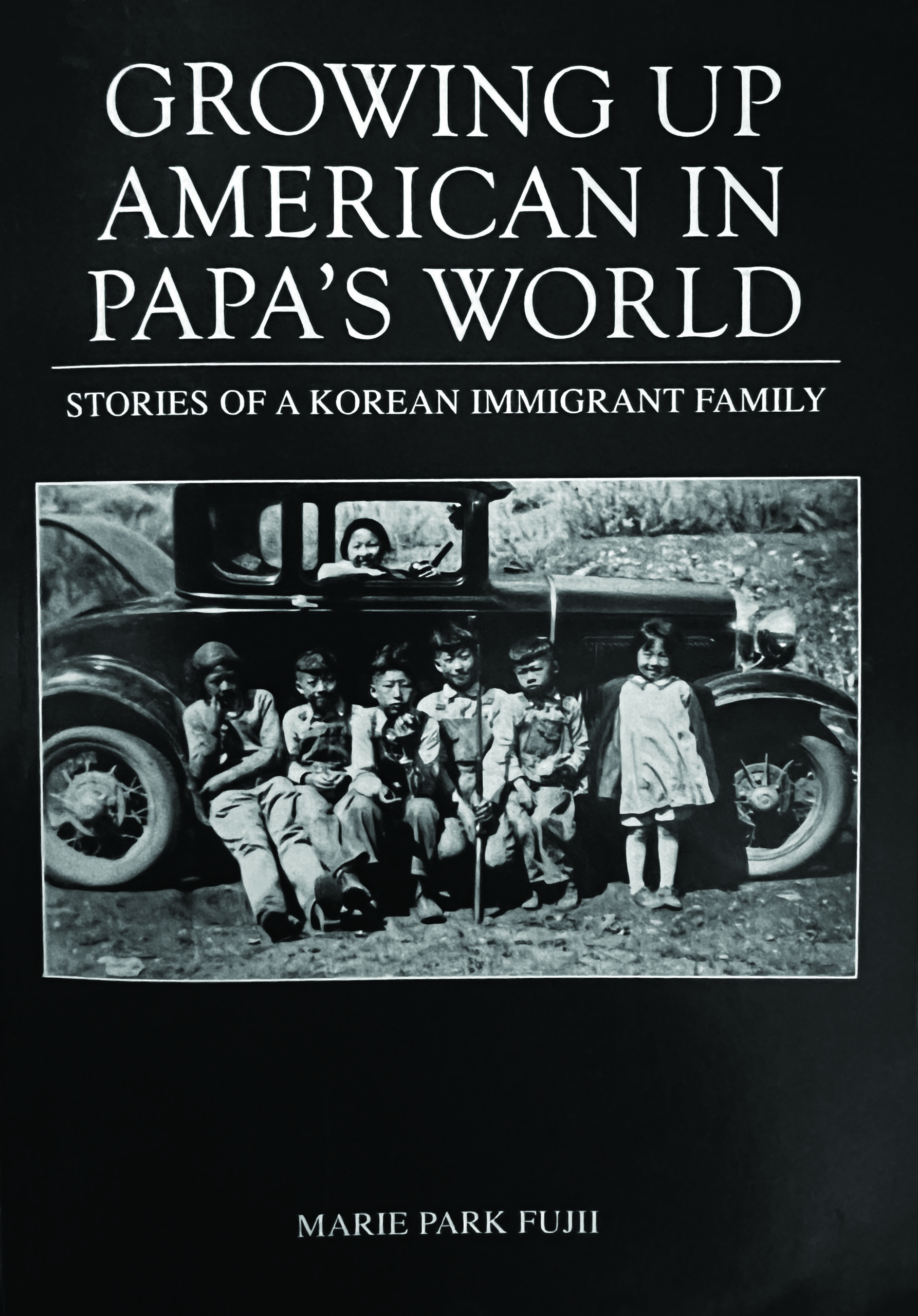
Irvin began his journey as an actor at Manual Arts High School, where he joined the drama club. At that time, the student body was predominantly Black, but it is now mostly Hispanic. Encouraged by his teacher, Irvin practiced many monologues and immersed himself in acting. He later attended UCLA, graduating in 1964, where a class in motion picture and television inspired him to pursue a career in film. He started as an assistant editor, and one of his favorite projects was working on “ER,” where he edited several episodes during post-production. He also served as an assistant editor on “Sea of Love.” Irvin faced significant challenges in the film industry, particularly the demanding workload and long hours. He learned the valuable lesson that making as many films as possible helps improve one’s skills; he emphasized that experiencing failure is part of the process and that striving for perfection should never hinder action.
Irvin was friends with George Takei, a Japanese American actor who was two years ahead of him in school. Although they didn’t share scenes, they were part of the same theater group. George found immediate success after college, receiving numerous offers. Today, he serves on the board of the Korean American Pioneer Council (KAPC), which works to preserve and promote Korean American history. Irvin follows in his father’s footsteps, who established a Korean church to educate others about Korean culture. Now, Irvin also helps Korean American immigrants and strives to support their community. He believes in the importance of a Korean American museum to preserve the memories and lessons of their ancestors, ensuring that future generations learn from the past.
From Irvin Paik, I learned that he is a filmmaker like me. His advice to keep making movies and pursue what you love deeply motivates me. Each film is a learning opportunity, and the more you create, the better you become. I believe it’s essential to follow your passions, as even regrets will stem from things you genuinely enjoy, making them feel less burdensome. After hearing his interview and conducting research, I feel inspired to emulate Irvin Paik, striving to make a unique impact in my career without giving up. He is a significant figure, and during his time, he was one of the successful Korean Americans who paved the way for others.
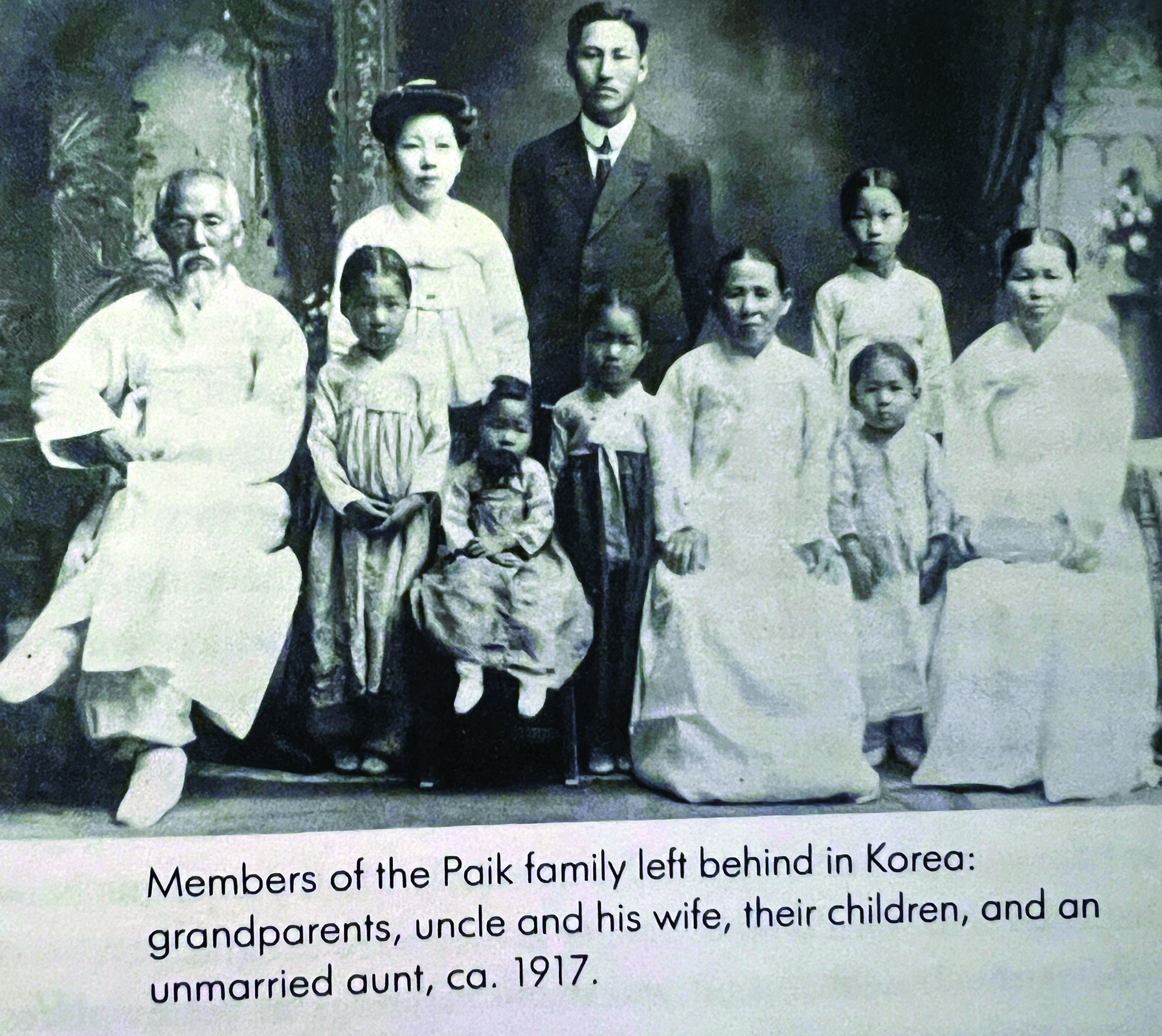
“He witnessed firsthand the discrimination his parents faced from white Americans, which left a lasting impression on him.”
In conclusion, Irvin Paik’s personal immigration story and journey in the film industry have profoundly motivated me. As I navigate my fifth year in America, his experiences resonate deeply with my own struggles and aspirations. His determination to do what he wanted to do as a filmmaker, no matter what challenges lay in store, has lifted my spirits and helped me reaffirm my commitment to my dreams. He thinks creating and learning from failure is so crucially important, and that drives me to just keep going in filmmaking. This connection with one’s culture means that, by emulating pioneers like Irvin, one feels empowered in knowing that at each step, I am closer to realizing my dreams.